



Opinion
Headlines
Features
Using AI to create human value

Opinion
Who owns the knowledge that teaches AI?
Data & AI
AI won't tell you who wins the World Cup, but it's already transforming football
Data & AI
AI and the engineering profession: above all, a human challenge

Data & AI
In the age of AI, Raphael wins, not Michelangelo

Editors' Picks

Data & AI
AI won't tell you who wins the World Cup, but it's already transforming football

Data & AI
AI and the engineering profession: above all, a human challenge
Data & AI
In the age of AI, Raphael wins, not Michelangelo
Opinion
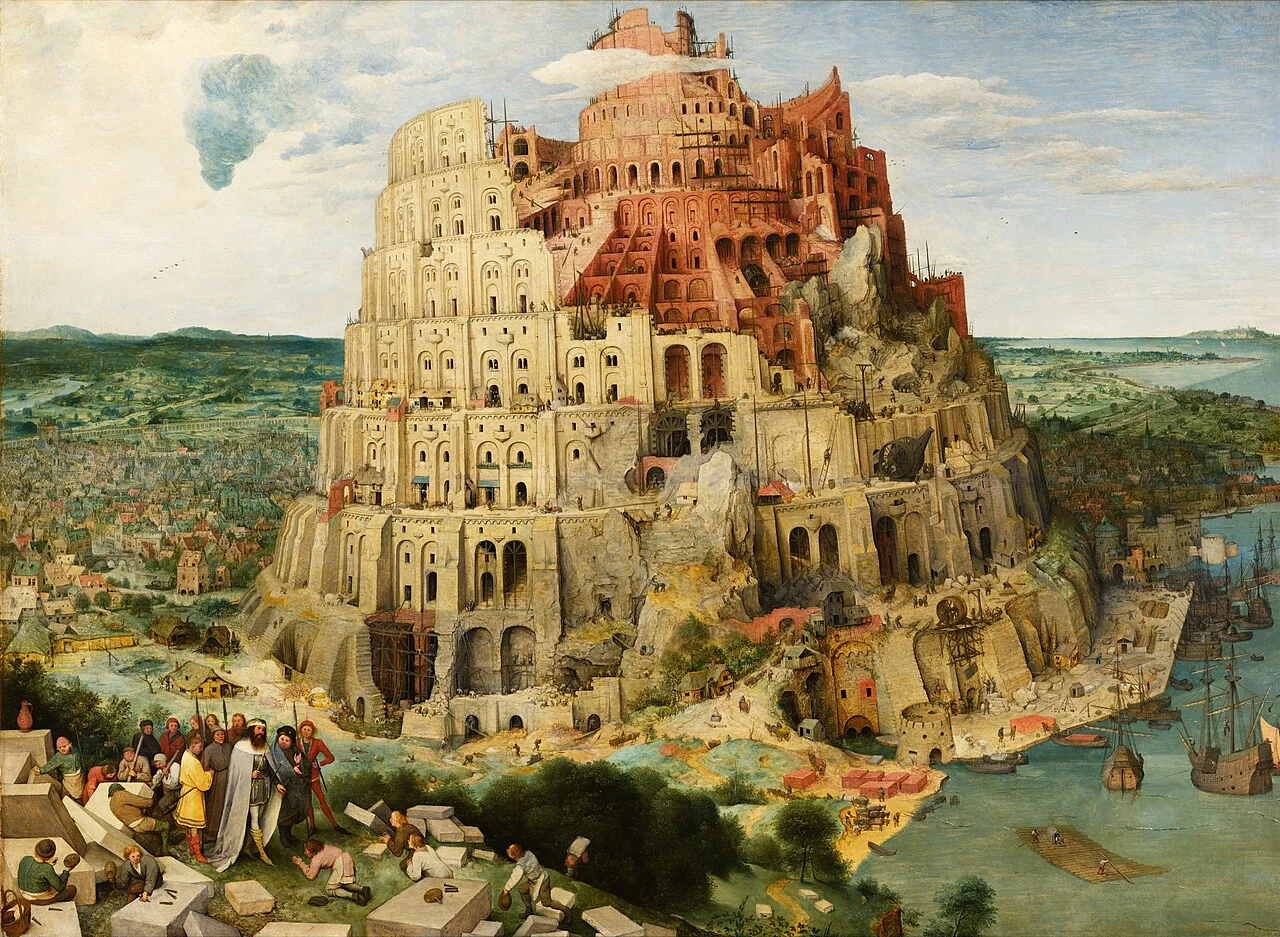
After Babel comes AI: why monolingual thinking erodes competitive advantage

News
Geopolitical risk and business strategy: a conversation with Charles Salvaudon
Print Editions
Read our collected print issues.
Browse issues →Opinion
See all →
Opinion
"What is it like to be an AI?" is the same question as "what is it like to be a rock?"
Is Claude conscious? Richard Dawkins thinks so. Julia Greene disagrees, and makes the case that anthropomorphising AI is not a flaw in our reasoning but a deeply human reflex, one that tech companies are very good at turning to their advantage.
Opinion
Who owns the knowledge that teaches AI?
At the World News Media Congress by WAN-IFRA in Marseille (1–3 June 2026), the New York Times Chairman and Publisher A.G. Sulzberger called on publishers to unite against AI giants. Charles Salvaudon traces the legal, economic and cultural battle taking shape around training data.
Opinion
After Babel comes AI: why monolingual thinking erodes competitive advantage
AI thinks in one language. Italo Marconi argues that by delegating thinking to language models trained on Anglophone data, companies are silently eroding their cognitive diversity and competitive edge, without even noticing it.

Opinion
Letter From a Student Using GenAI in Their Education
Julia Greene, a Master's student at Albert School's Madrid campus, shares how GenAI is actually used in education and why the real issue isn’t the technology, but how we learn, think, and assess in an AI-driven world.